
Precision welding that delivers on schedule
Robotic and precision manual welding with in-house fixtures and design for manufacturability (DFM) support — all from one shop.
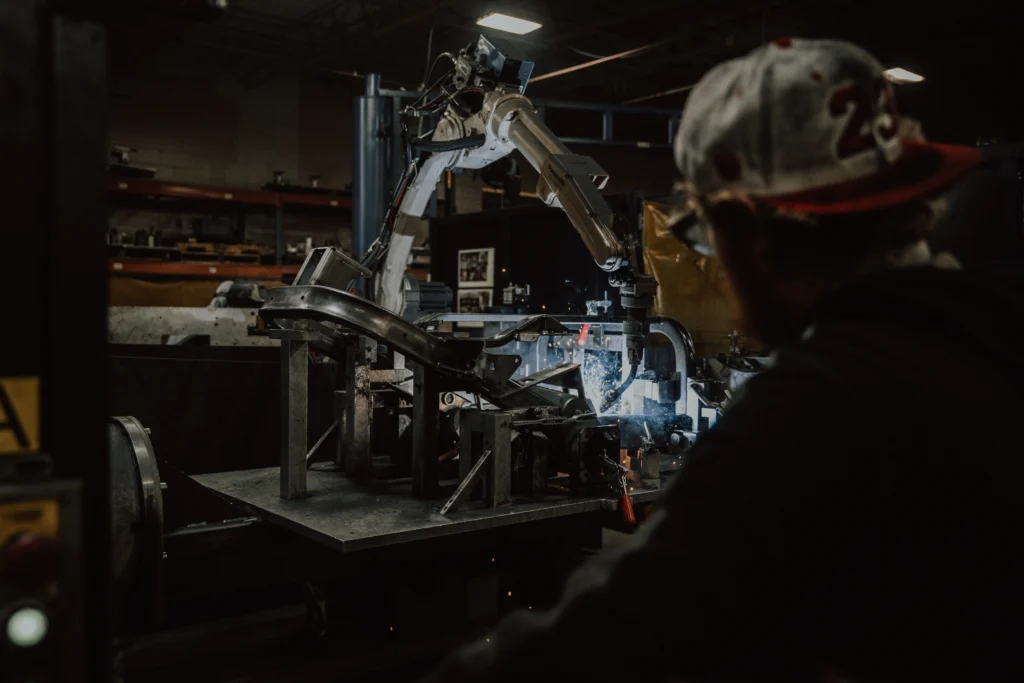
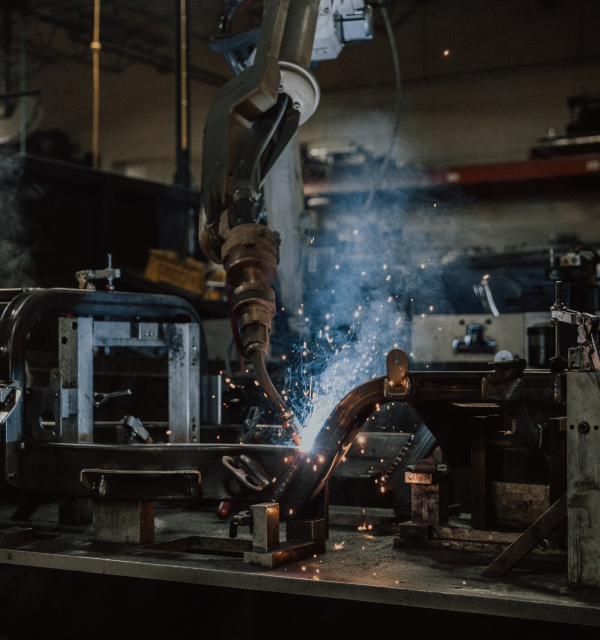
Robotic welding
Manual MIG/TIG welding
DFM support
Key spec options
These are the core specifications we support across materials, sizes and fabrication processes.
Welding processes
Robotic MIG
Manual MIG/TIG
Outside diameter (OD)
Tube: 0.25”to 5.00”
Solid bar: up to 3.50”
Tube wall thickness
OD 3/8″ to 5″
0.028″ to 0.250″ wall
Sheet wall thickness
Up to 0.5”
Materials
Carbon steel
Stainless steel
Aluminum
More exotic materials on request
Tube shapes
Round
Square
Rectangular
Oval
Extrusions
Volumes
Prototype, preproduction, production
Robotic fixture footprint range
~1′ × 1′ up to ~4′ × 8′ (assembly-dependent)
Part fixturing
In-house fixture design and build
Quality support
First Article/PPAP validation and documentation
File formats
PDF for prints, STEP, IGES, Parasolid, SolidWorks [.sldprt, .sldasm, .slddrw]
What you get by welding with Bauer

Faster cycle times and lower piece cost
Robotic welding can be up to 10 times faster than manual without sacrificing quality.

Welds that pass inspection the first time
Consistency comes from decades of manual welding experience, backed by strong fixturing and disciplined execution.

A clear path to production
Detailed prototypes scale to full production with one partner.
IN-HOUSE Capabilities
ROBOTIC MIG WELDING
- Ensures consistent weld paths
- Offline programming reduces downtime and speeds setup changes
- Quick-change fixtures provide reliability and efficiency
- Support for carbon steel, stainless steel, and aluminum
MANUAL MIG/TIG WELDING
- Experienced, certified welders
- Ideal for high-mix, lower-volume work as well as tight angles that present robotic weld challenges
- Supports carbon steel, stainless steel and aluminum weldments
IN-HOUSE WELD FIXTURE
DESIGN & BUILD
- Fixtures designed to lock in part location, improving repeatability and fit-up
- Enables faster ramp-up and fewer surprises
- Fixture strategy supports both robotic and manual workflows
LEAK-PROOF WELDMENTS & IN-HOUSE TESTING (WHEN REQUIRED)
- In-house pressure/hydrostatic testing available
- Documentation-ready support for customers with defined QA requirements
FIRST ARTICLE VALIDATION
& PPAP SUPPORT
- Support for first articles and customer-specific inspection requirements
- PPAP-ready for production programs
- Built to reduce late-stage problems that trigger rework and delays
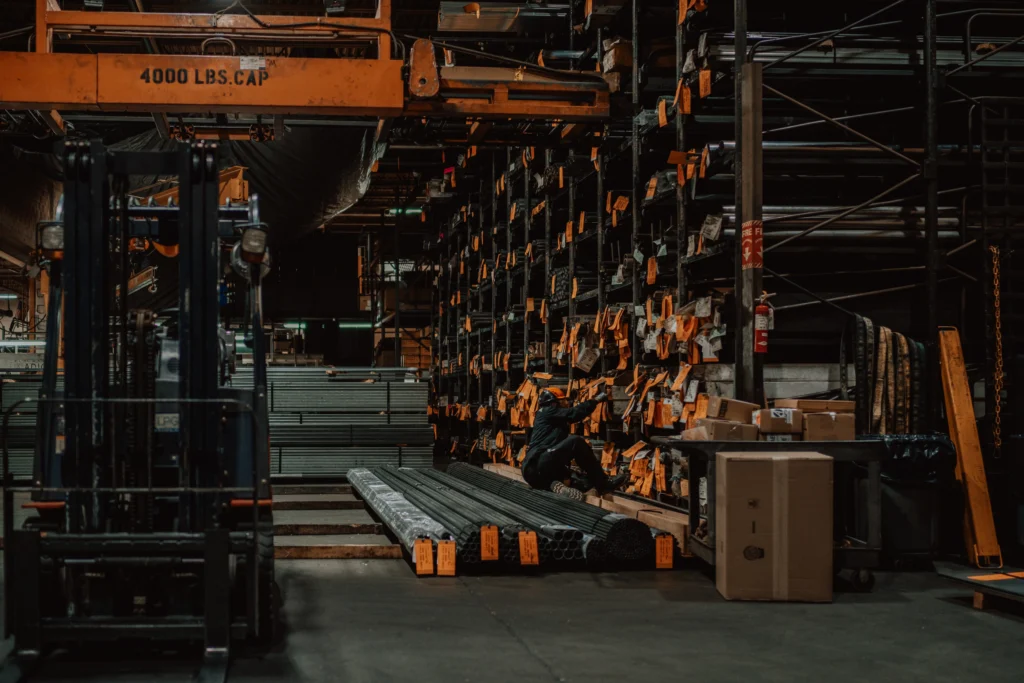
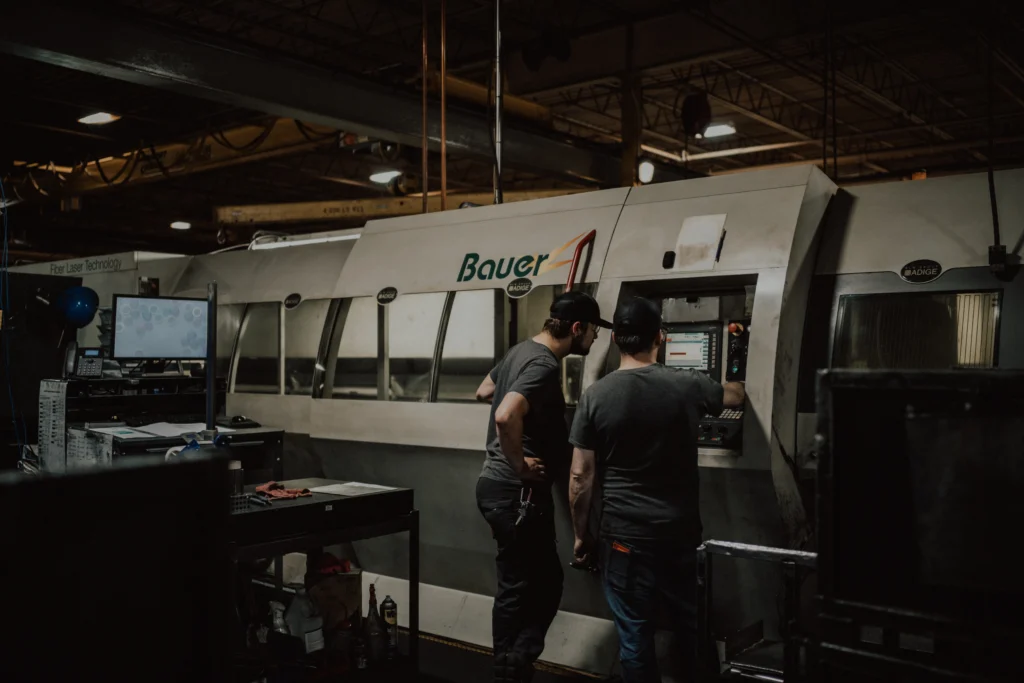
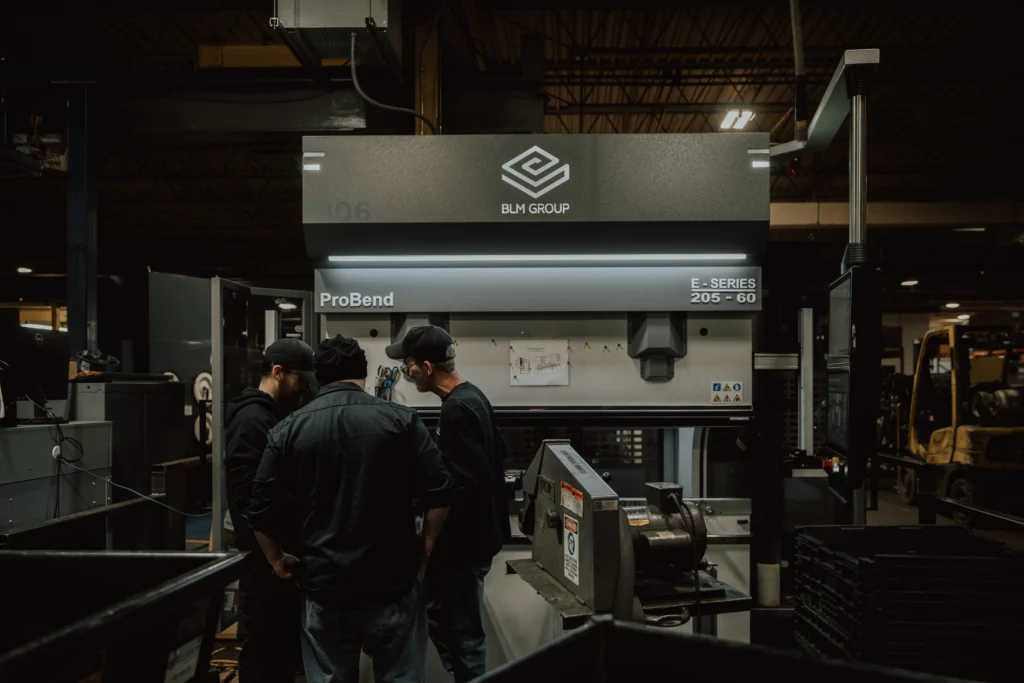
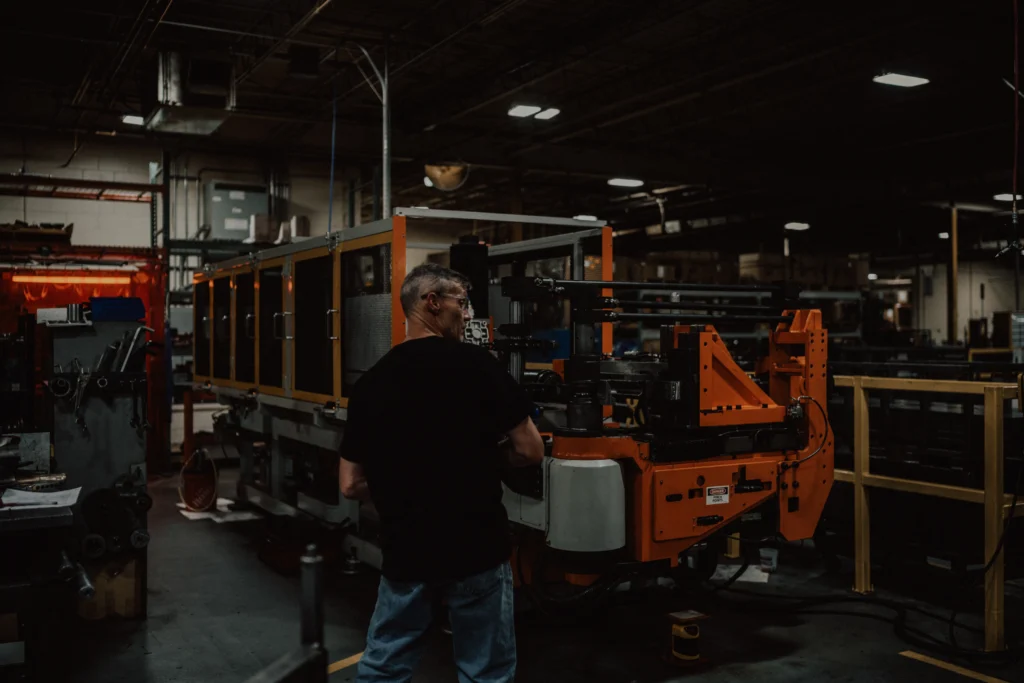
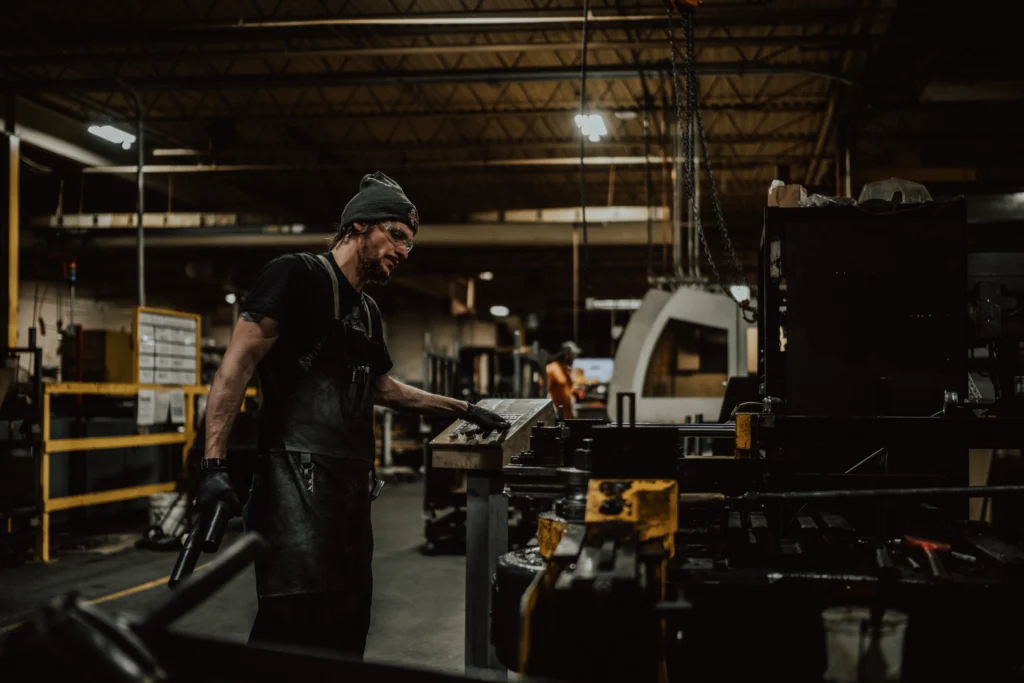
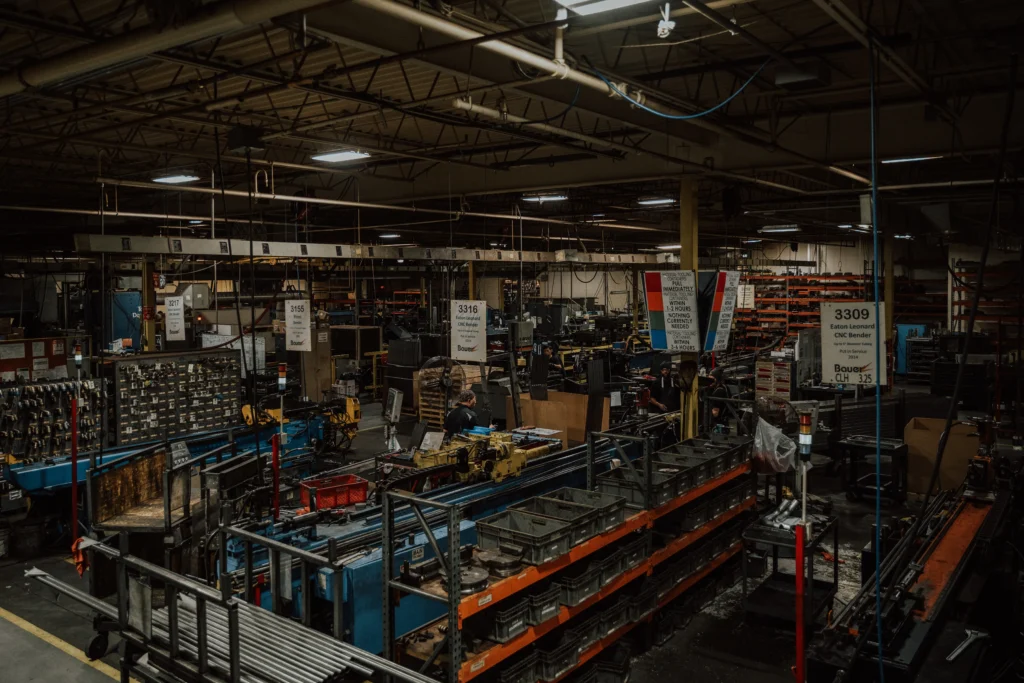
See our shop floor
Have a look inside our facility to see how Bauer provides precision and reliability at every level.
DFM guidelines (save time + cost)
Repeatability starts at the design, especially for robot welding. We review your model to prevent common issues that lead to scrap, throughput and scheduling bottlenecks.
- Joint access and torch angles: Avoid blocked joints and impossible approach paths — especially in tight tube clusters.
- Fixturing and locating strategy: Clear reference points and consistent locating features reduce variation and cleanup.
- Distortion and sequence planning: Weld sequencing and tack strategy help control pull, twist and heat distortion.
The parts that prove it
Complex weldments across demanding applications, all built to install cleanly and repeatably.
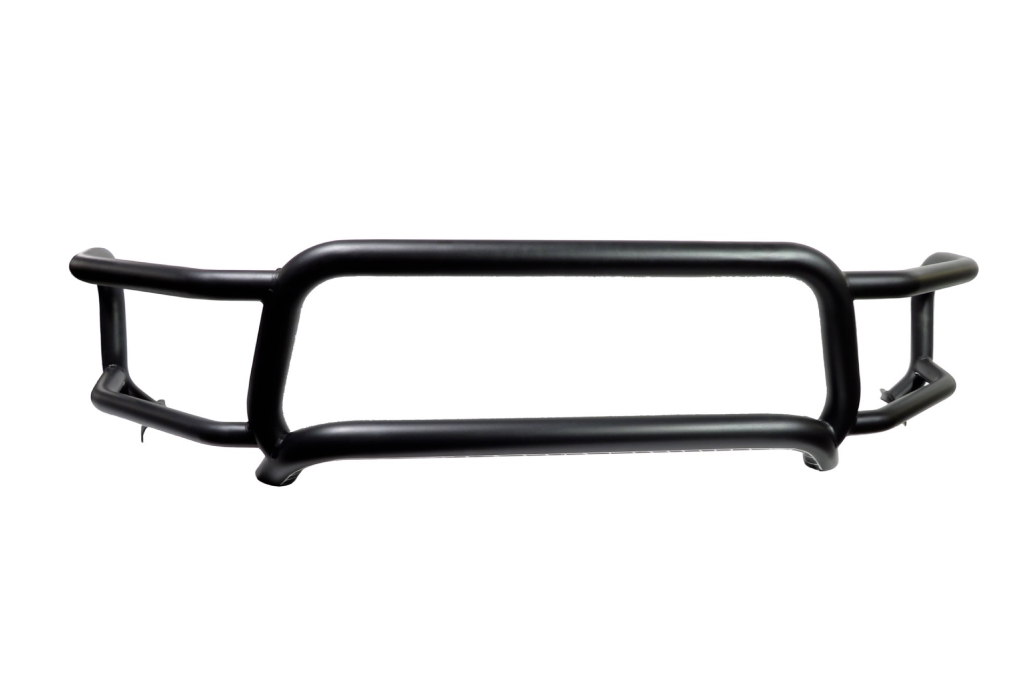
Brush guards & exterior protection
Cosmetic weld consistency on high-visibility parts
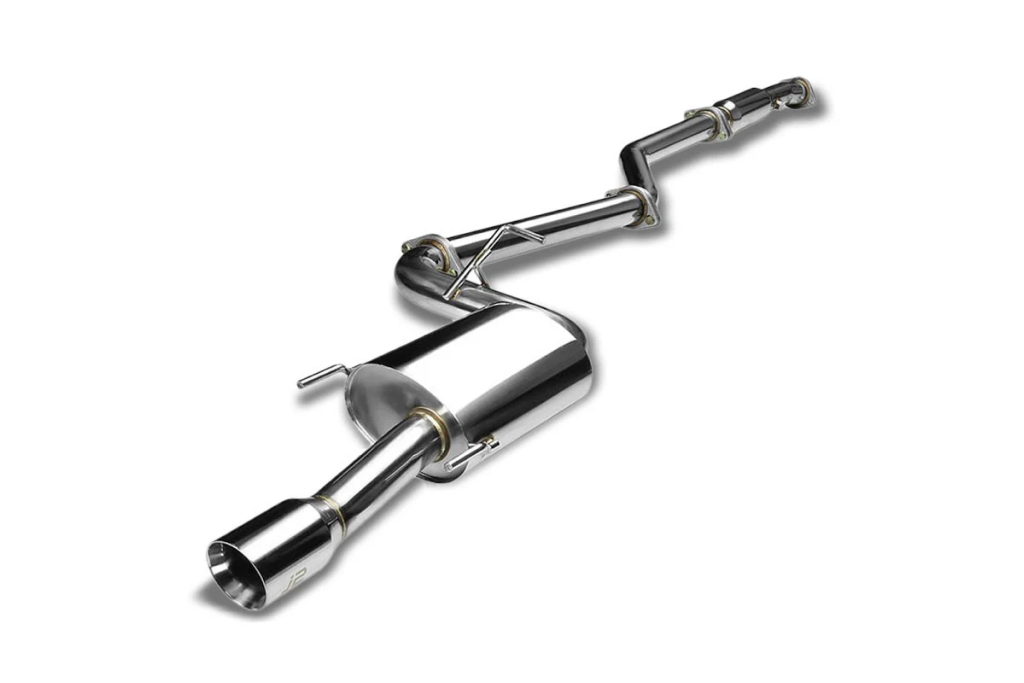
Muffler/exhaust weldments
Liquid-tight requirements supported and tested
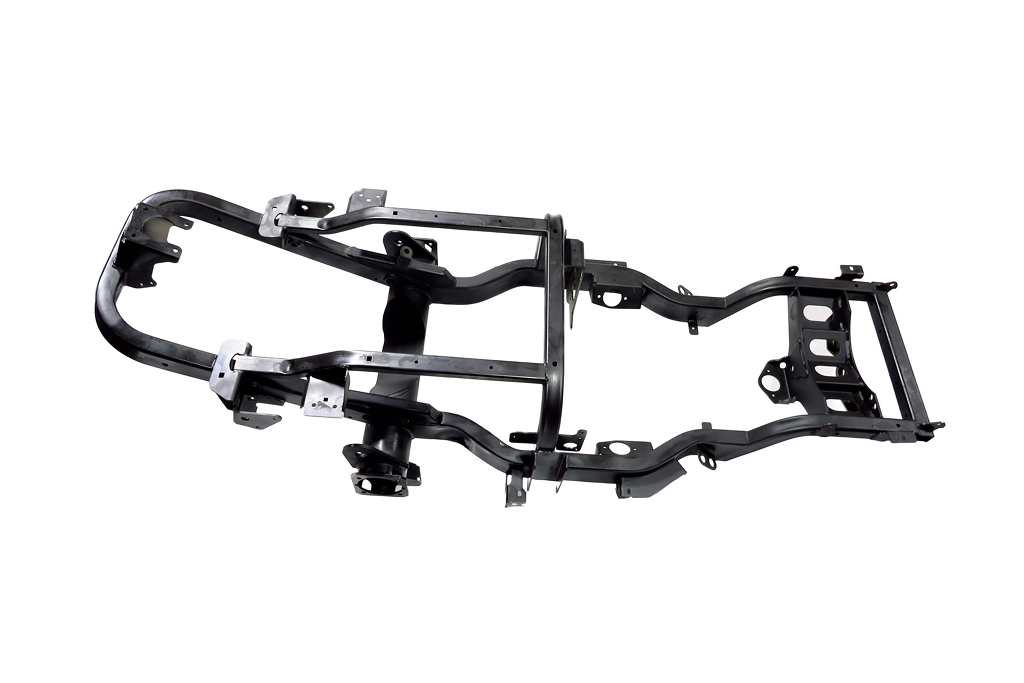
Structural frames & rails
Fixture-driven repeatability for stable installs
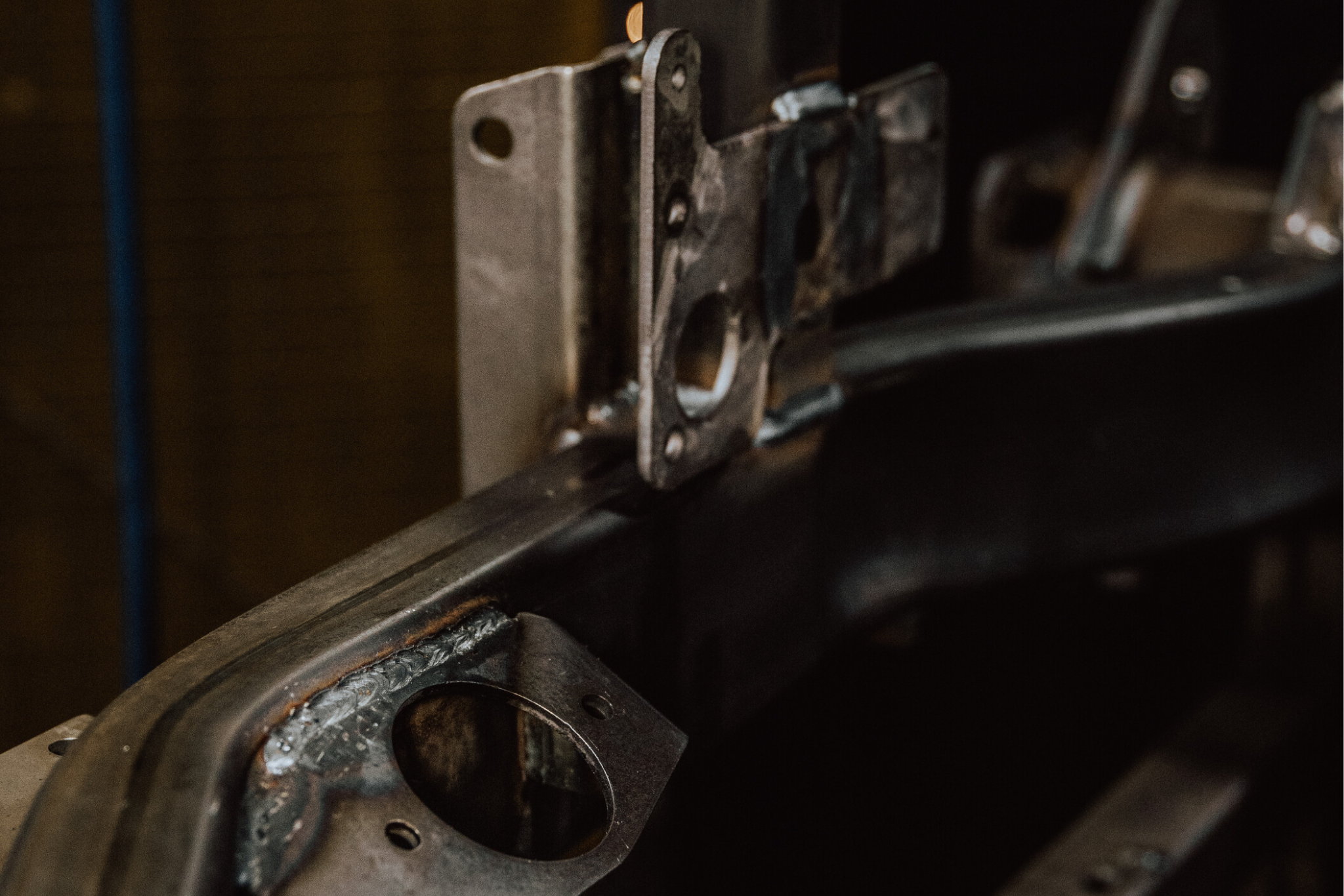
Tube-and-bracket assemblies
Hole/bracket alignment verified in dedicated checks
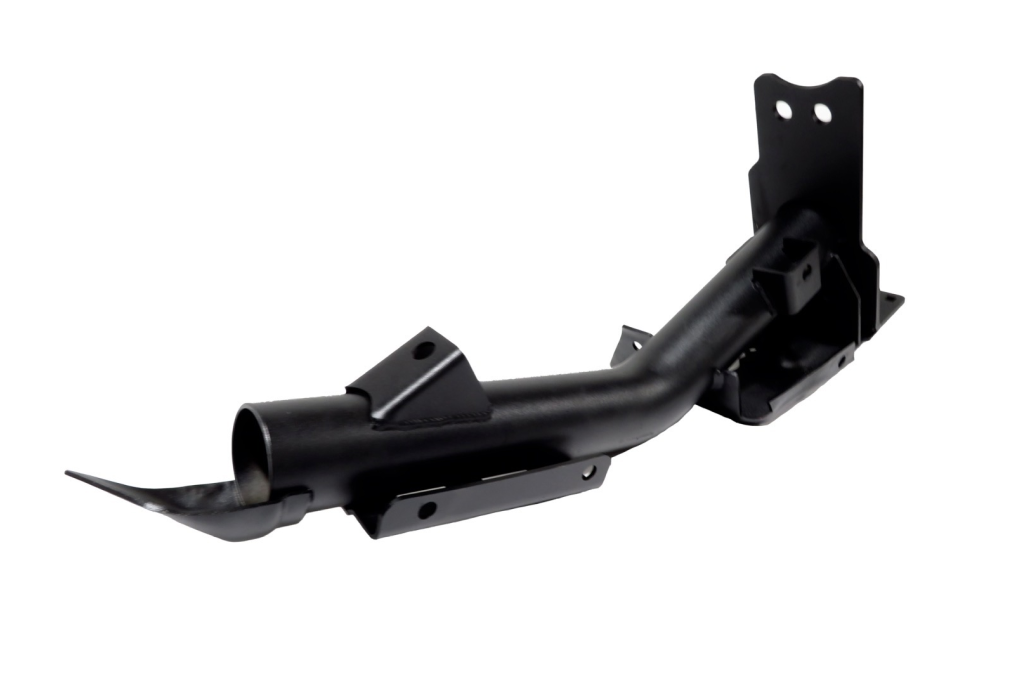
Low-to-mid volume catalogs
Manual and robotic versatility for mixed program needs
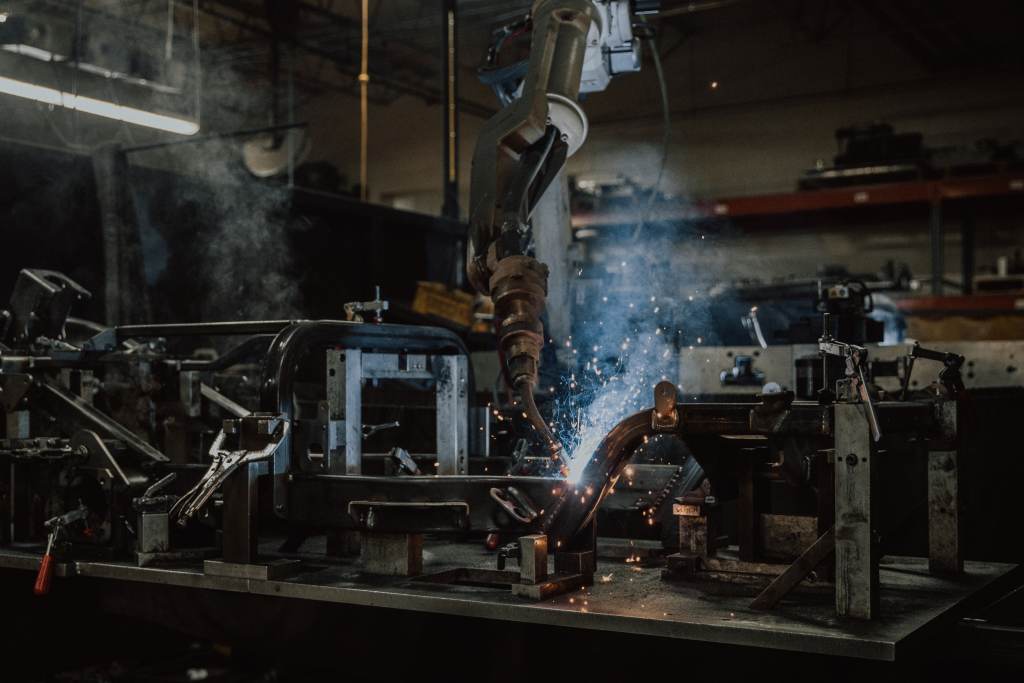
Rapid production-ready prototyping
Designed and ready to scale production
Hear it from our customers
“They’re saving at least $15 on a piece cost and hundreds of thousands on initial tooling.”
Brad
Engineering program manager
$150k
Tooling cost savings
“We’ve never had a quality issue, never had a delivery issue.”
Stephen
Commodity manager
National backup power generation manufacturer
Zero
Quality or delivery issues reported
“If there’s any exceptions or they’re suggesting an alternative material or they’re requesting additional tolerance on something, they’re making sure they do their front-end work, which is good to see.”
Alex
Procurement manager
Global furniture manufacturer
Three-week delays
Avoided
FAQs
These are the questions we hear most from engineers and sourcing teams. If your question isn’t answered here, please reach out to us for more information.
Yes. We use robotic MIG for repeatable throughput, and manual MIG/TIG for complex geometries, stainless/aluminum work and joints that don’t fit well in a robotic cell.
Carbon steel, stainless steel and aluminum. If you have a specialty alloy, send the specs and we’ll confirm capabilities.
Robotic welding is fixture-dependent, but typical fixture footprints range from roughly 1’×1′ up to ~4’×8′.
Yes, when required, we can support in-house pressure/hydrostatic testing for fluid-holding weldments.
Yes, we can support first article validation and PPAP needs.
We maintain a current list of AWS certifications and can pursue additional codes as necessary.
From complex specs to premium assemblies
Whether you’re recovering from a supplier failure or gearing up for a new launch, Bauer will help you get it done right — fast.
